


Creative Embroidery Digitizing Services in USA for Unique Stitch Artwork
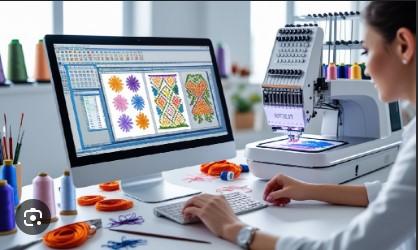
Most people think embroidery is just about slapping a logo onto a shirt. They could not be more wrong. Real embroidery, the kind that makes people stop and ask where you got it, feels like art. It has texture, movement, and personality. It tells a story with thread instead of paint. If you have ever looked at a mass-produced embroidered design and thought, "I wish mine had more life," then you are ready for something different. That something is creative Embroidery Digitizing Services right here in the USA. These specialists do not just convert your image into stitches. They sculpt, shade, and experiment until your design becomes a piece of wearable art. Let me show you how they work, what makes creative digitizing unique, and how you can get stitch artwork that nobody else has.
What Makes Creative Digitizing Different from Standard Digitizing
Standard digitizing follows a formula. Pick the stitch type, set the angle, choose the density, and move on to the next color. It works fine for basic logos and simple text. But creative digitizing throws out the rulebook. A creative digitizer asks different questions. What if this flower petal used a satin stitch that radiates from the center like real petals? What if this animal fur used random stitch lengths to mimic natural texture? What if this background used a fill pattern that looks like woven fabric rather than plastic?
Creative digitizing services treat your design as an original artwork, not a production line task. They experiment with stitch directions to create light and shadow. They layer thread colors to build depth, much like a painter layers oil paints. They use specialty techniques like split satin stitches for curved lettering or stippling fills for realistic skin tones. The result looks handmade because, in a very real sense, it is. Every stitch has intention behind it.
I have seen creative digitizers turn a child's crayon drawing into a stitched masterpiece. They preserve the wobbly lines and uneven coloring because those imperfections give the design charm. I have seen them turn a watercolor painting into embroidery by using translucent threads and varying stitch densities to mimic the wash of watercolors. These are not things automated software can do. These are things skilled humans create with patience and vision.
The Creative Digitizing Process from Start to Finish
Let me walk you through how a creative embroidery digitizing service actually works on your design. The process looks very different from standard digitizing.
It starts with a conversation, not a file upload. A creative digitizer wants to understand your vision. What feeling should this design evoke? Where will someone wear or display it? What about the original artwork speaks to you? They ask these questions because the answers guide every stitch decision they make.
Next, they study your artwork like an art conservator studies a painting. They look for the focal point. They notice the brushstrokes or pencil marks. They identify which elements need sharp, crisp stitches and which need soft, flowing ones. A standard digitizer sees shapes. A creative digitizer sees texture, movement, and emotion.
Then they begin the manual digitizing process. No auto-tracing here. They place every stitch path by hand, often using professional software like Wilcom or Pulse. They choose satin stitches for smooth curves and dramatic highlights. They choose tatami fills for large areas that need subtle texture. They use running stitches for delicate lines that should feel almost drawn onto the fabric.
Here is where creativity really kicks in. They experiment with stitch angles that follow the contours of your design. For a portrait, stitches might radiate outward from the eyes to draw attention there. For a landscape, horizontal stitches might suggest a calm lake while vertical stitches suggest a towering tree. These choices feel invisible when done well, but you notice their absence when they are missing.
They also play with thread colors in unconventional ways. Instead of using a solid brown thread for a tree trunk, they might blend three shades of brown with occasional green highlights to suggest moss. Instead of a flat blue sky, they might use a gradient of light to dark blue threads with varying stitch densities to suggest depth. This thread painting technique, known as needle painting, creates embroidery that looks almost like a photograph.
Specialty Techniques That Make Your Artwork Unique
Creative digitizing services in the USA have access to techniques that most standard digitizers never use. Let me introduce you to a few that can transform your design.
Thread painting creates realistic shading by layering short stitches in multiple colors. The digitizer maps out highlights and shadows just like a painter would. They then stitch light colors first, building up to darker shades. The final result has dimension and depth that standard fill stitches cannot match.
3D puff embroidery adds foam underneath specific areas of your design to create raised elements. Creative digitizers use puff not just for letters but for any element that should pop off the fabric. Imagine a dragon with raised scales or a logo with a dome that literally sticks out from the hat. Puff takes extra skill to digitize because the foam compresses and shifts during stitching, but a creative digitizer knows exactly how to compensate.
Split satin stitches solve the problem of curved lettering. Standard satin stitches look great on straight lines but bunch up on curves. Split satin breaks the stitch into smaller segments that follow the curve smoothly. Your curved text looks clean and elegant rather than crowded and messy.
Stippling fills use tiny, random-looking stitches to create texture. Think of pointillism paintings but with thread. Stippling works beautifully for skin, fur, stone, or any surface that should not look perfectly smooth. The irregular stitch placement catches light differently from every angle, giving your design a organic, living quality.
Why Choose a USA-Based Creative Digitizing Service
You can find digitizers all over the internet offering cheap rates. But creative digitizing is not a commodity. It is a collaboration. Working with a service based in the USA gives you advantages that overseas providers simply cannot match.
Communication happens in real time. You hop on a phone call or video chat to discuss your vision. You share reference images, fabric samples, and inspiration photos. The digitizer asks clarifying questions and shows you samples of similar work they have done. No language barriers. No 24-hour delays waiting for email responses.
Quality standards align with what you expect. USA-based digitizers know that American brands demand consistency, durability, and attention to detail. They stitch out test samples on fabric similar to yours and send you photos or videos for approval. If something looks wrong, they fix it immediately. They stand behind their work because their reputation depends on it.
Turnaround times respect your schedule. When you need a rush order for a trade show or a client deadline, a USA service can often deliver in 24 hours or less. They understand that your business does not stop while you wait for digitizing. They work on your timeline, not theirs.
Matching the Technique to Your Fabric and Use Case
Creative digitizing only works when the technique matches the material. A design that looks stunning on a structured denim jacket might completely fail on a silky performance shirt. Your digitizer needs to know exactly what fabric you plan to use.
For caps and hats, creative digitizers use special techniques to handle the curve and the foam backing. They adjust stitch angles to prevent the design from distorting across the cap's front panels. They add extra underlay to keep stitches from sinking into the foam. They might even split the design into sections that stitch separately for better registration.
For fleece and sweatshirts, they increase stitch density and add heavy underlay. Fleece has a nap that can swallow stitches if you are not careful. Creative digitizers use longer stitches and bolder outlines to ensure your design reads clearly against the fuzzy background.
For performance fabrics with stretch, they add significant pull compensation and use elastic threads where possible. They also simplify designs slightly to prevent the fabric from distorting under dense stitching. A creative digitizer knows that the most beautiful design means nothing if it puckers the moment someone puts on the garment.
Conclusion
Your artwork deserves more than a basic conversion into thread. It deserves to become something new, something that carries the emotion and intention of the original while adding the unique texture and depth that only embroidery can provide. Creative embroidery digitizing services in the USA take your design seriously as art. They experiment, they push boundaries, and they deliver stitch files that make people look twice.
Whether you have a detailed illustration, a child's drawing, a watercolor painting, or just a wild idea you want to try, find a digitizer who gets excited about the challenge. Ask to see their creative portfolio, not just their corporate logo work. Share your vision openly and trust their expertise. When you finally see your design stitched out, with light playing across carefully angled threads and colors blending in ways you did not think possible, you will understand why creative digitizing is worth every penny. Your embroidery should stand out, not blend in. Go make something unforgettable.
Categories
Read More
Jewelry is not just about decoration—it is an extension of personality, style, and confidence. Among the most recognized symbols of bold fashion today is the Chrome Heart Ring. Known for its striking design, meticulous craftsmanship, and cultural influence, it has become a must-have for anyone seeking to express individuality through fashion. Chrome Hearts Jewelry sets itself apart...

Jadwal Ngaji Gus Baha tgl 17-19 Feb 2019 di PonPes Izzati Nuril Quran Bedukan, Pleret, Bantul, Jogja dgn jadwal Ahad sore jam 16.30, Ahad malam jam 21.00, Senin malam jam 21.00, Selasa pagi jam 05.30. Ngaji terbuka untuk umum dan gratis.” (@NgajiGusBaha) Hairus Salim dalam “fatwa Facebooknya”, 12 Februari 2019, menjelaskan soal peta intelektual muslim, dilihat dari tempat...

