


Fire Risk Assessment in London for Businesses and Property Owners
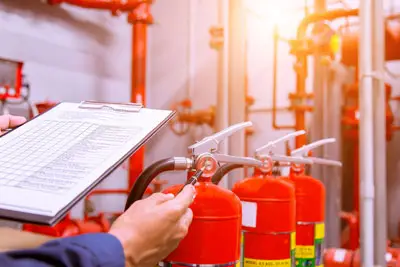
Fire safety is a critical responsibility for every property owner and business operator in London. With strict legal requirements and the need to protect lives, assets, and reputations, a Fire Risk Assessment is not just a recommendation—it’s a legal obligation. Whether you own a commercial building, manage rental properties, or operate an office, understanding fire risk assessments is essential.
What is a Fire Risk Assessment?
A Fire Risk Assessment in London is a systematic evaluation of a property to identify fire hazards, assess the risks, and implement measures to reduce or eliminate those risks. It ensures that people in the building can safely escape in case of fire and that preventive systems are in place.
In the UK, this process is governed by the Regulatory Reform (Fire Safety) Order 2005, which requires all non-domestic premises to conduct regular fire risk assessments.
Why Fire Risk Assessment is Important in London?
London is a densely populated city with a mix of residential, commercial, and industrial properties. Fire risks can vary greatly depending on the type and use of the building. Conducting a fire risk assessment helps:
- Protect lives and reduce injury risks
- Safeguard property and assets
- Ensure legal compliance
- Avoid heavy fines or legal action
- Improve emergency preparedness
Failure to comply with fire safety regulations can lead to serious consequences, including prosecution or business closure.
Who is Responsible for Fire Risk Assessment?
Under UK law, the “responsible person” must ensure a fire risk assessment is carried out. This includes:
- Business owners
- Employers
- Landlords
- Property managers
- Building owners
If you own or manage a property in London, the responsibility lies with you to ensure that fire safety measures are adequate and up to date.
Key Steps in a Fire Risk Assessment
A professional fire risk assessment typically involves five essential steps:
1. Identify Fire Hazards
This includes sources of ignition (electrical equipment, heaters), fuel (paper, furniture), and oxygen sources.
2. Identify People at Risk
Consider employees, visitors, customers, and especially vulnerable individuals such as children or the elderly.
3. Evaluate and Reduce Risks
Assess the likelihood of a fire starting and minimize hazards by improving safety measures.
4. Record Findings and Implement Measures
Document all findings and take corrective actions such as installing alarms or improving escape routes.
5. Review and Update Regularly
Fire risk assessments should be reviewed periodically or when significant changes occur in the building.
Types of Properties That Require Fire Risk Assessments
In London, the following properties must have a fire risk assessment:
- Offices and commercial buildings
- Shops and retail outlets
- Restaurants and cafes
- Warehouses and factories
- HMOs (Houses in Multiple Occupation)
- Hotels and guest houses
- Public buildings such as schools and hospitals
Even small businesses operating from shared spaces must comply with fire safety regulations.
What Does a Fire Risk Assessment Include?
A comprehensive fire risk assessment covers several important elements:
- Fire detection and alarm systems
- Emergency lighting
- Fire extinguishers and equipment
- Escape routes and exits
- Fire safety signage
- Staff training and fire drills
- Maintenance of fire safety systems
A qualified assessor ensures all these aspects meet legal standards.
Benefits of Hiring a Professional Fire Risk Assessor
While some small businesses may attempt a basic assessment, hiring a professional is highly recommended. A certified assessor:
- Has expert knowledge of UK fire safety laws
- Identifies hidden risks
- Provides detailed reports and action plans
- Ensures full compliance with regulations
- Saves time and reduces liability
Professional services are especially valuable for complex or large properties.
How Often Should Fire Risk Assessments Be Reviewed?
There is no fixed timeframe, but it is recommended to review your fire risk assessment:
- Annually
- After significant building changes
- When occupancy levels change
- After a fire incident or near miss
Regular reviews ensure your safety measures remain effective and compliant.
Cost of Fire Risk Assessment in London
The cost of a fire risk assessment in London varies depending on:
- Property size
- Type of building
- Complexity of risks
- Level of detail required
On average, small properties may cost £100–£300, while larger or more complex buildings may cost significantly more. Investing in a proper assessment is far more cost-effective than facing legal penalties.
Choosing the Right Fire Risk Assessment Company
When selecting a fire safety company in London, consider:
- Certification and qualifications
- Experience in similar properties
- Positive client reviews
- Clear pricing structure
- Detailed reporting
Working with a trusted provider ensures your property is fully compliant and safe.
Fire Risk Assessments are a vital part of maintaining safety and legal compliance in London. Whether you are a landlord, business owner, or property manager, taking proactive steps to identify and reduce fire risks can save lives and protect your investment.
By conducting regular assessments and working with qualified professionals, you ensure that your property meets UK fire safety standards and provides a safe environment for everyone.
FAQs
1. Is a Fire Risk Assessment mandatory in London?
Yes, under the Regulatory Reform (Fire Safety) Order 2005, it is legally required for all non-domestic properties.
2. Can I do a fire risk assessment myself?
Small, low-risk businesses can do it themselves, but hiring a professional is recommended for accuracy and compliance.
3. How long does a fire risk assessment take?
It depends on the property size and complexity, but most assessments take a few hours to a full day.
4. What happens if I don’t have a fire risk assessment?
You may face fines, legal action, or even business closure for non-compliance.
5. Do landlords need a fire risk assessment?
Yes, landlords—especially those managing HMOs—are legally required to conduct and maintain fire risk assessments.
